Programs
Medical Laboratory Technology
Build practical laboratory skills for a career in healthcare through hands-on training, scientific discipline, and industry-relevant learning at Sir Albert Cook Memorial Training School.
Overview
Train for laboratory practice
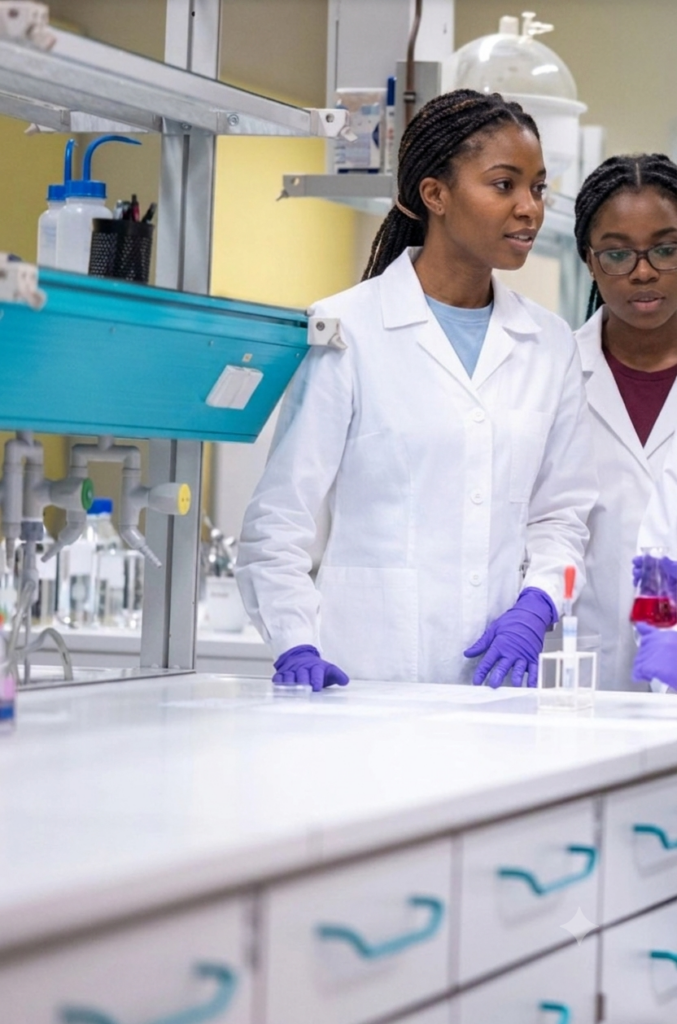
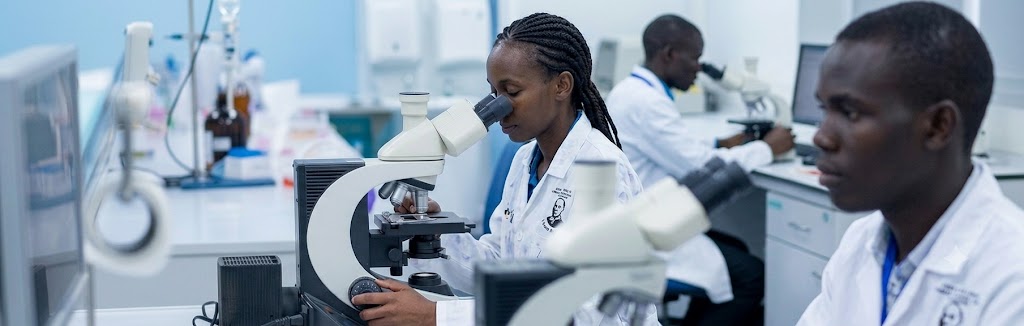
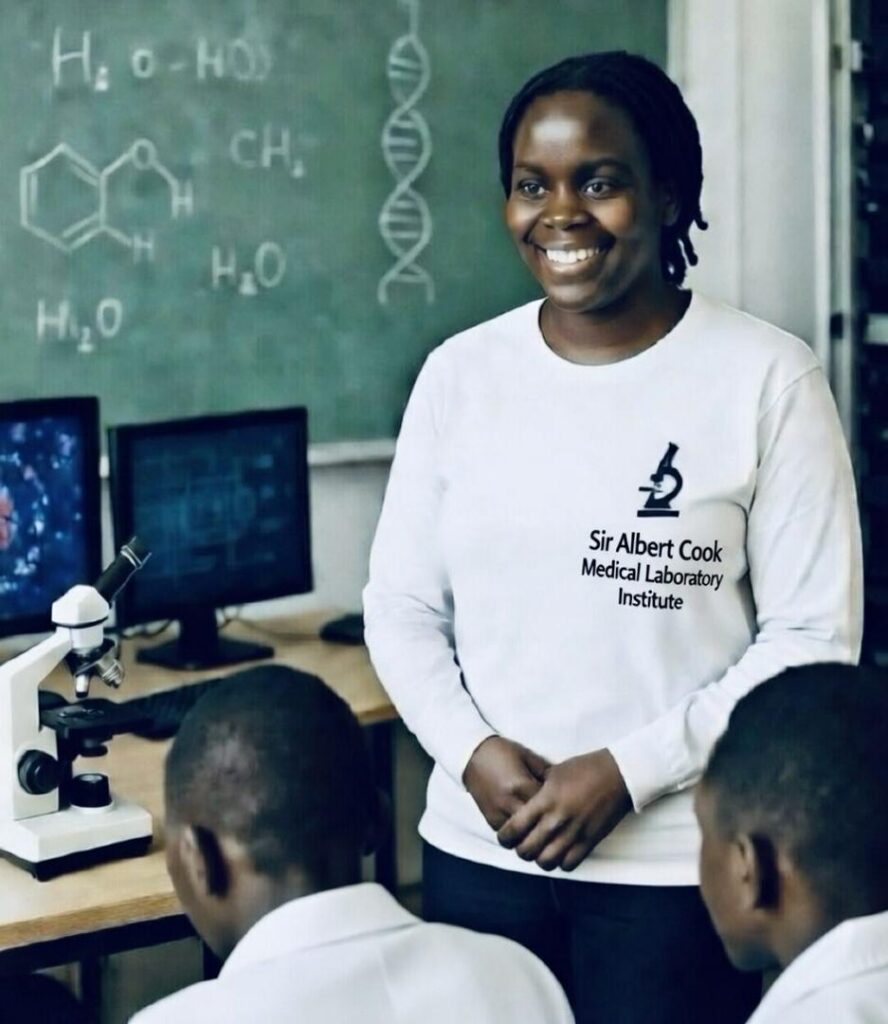
The Medical Laboratory Technology program prepares students to support diagnostic services with accuracy, professionalism, and confidence. Learners develop practical skills in specimen handling, laboratory procedures, equipment use, record keeping, and safe working methods needed in clinical and healthcare settings.
Hands-on practical training
Healthcare-focused instruction
Professional laboratory habits
Career-ready technical skills
Curriculum
What students learn
Coursework is designed to balance scientific knowledge with practical laboratory application so students can work carefully, communicate clearly, and contribute effectively in healthcare environments.
Core Disciplines of Medical Laboratory Practice
Microbiology & Parasitology: Intense focus on identifying endemic tropical diseases and infections common to the region, including malaria diagnostics, tuberculosis (TB) screening, and HIV/AIDS staging.
Hematology & Blood Transfusion: Mastering blood cell counts, identification of blood disorders like sickle cell anemia, and safe blood banking/cross-matching protocols.
Clinical Chemistry & Urinalysis: Quantitative analysis of body fluids to monitor metabolic function, organ performance, and nutritional health.
Laboratory techniques
Learn core procedures for specimen collection support, preparation, testing workflows, and quality-conscious laboratory practice.
Equipment and safety
Build confidence using laboratory tools and following safety, hygiene, and infection prevention standards in daily work.
Records and reporting
Develop skills in documentation, result handling, data accuracy, and professional communication within laboratory teams.
Professional readiness
Strengthen discipline, ethics, teamwork, and problem-solving for entry into healthcare training and employment pathways.
Outcomes
Skills that support healthcare
Graduates are equipped with practical competencies that help them contribute to laboratory services, continue professional development, and pursue opportunities in health-related environments.
Accurate routine laboratory support
Work carefully with procedures, samples, and equipment while maintaining quality and consistency.
Strong professional foundation
Enter the field with a mindset shaped by responsibility, ethics, teamwork, and patient-centered care.